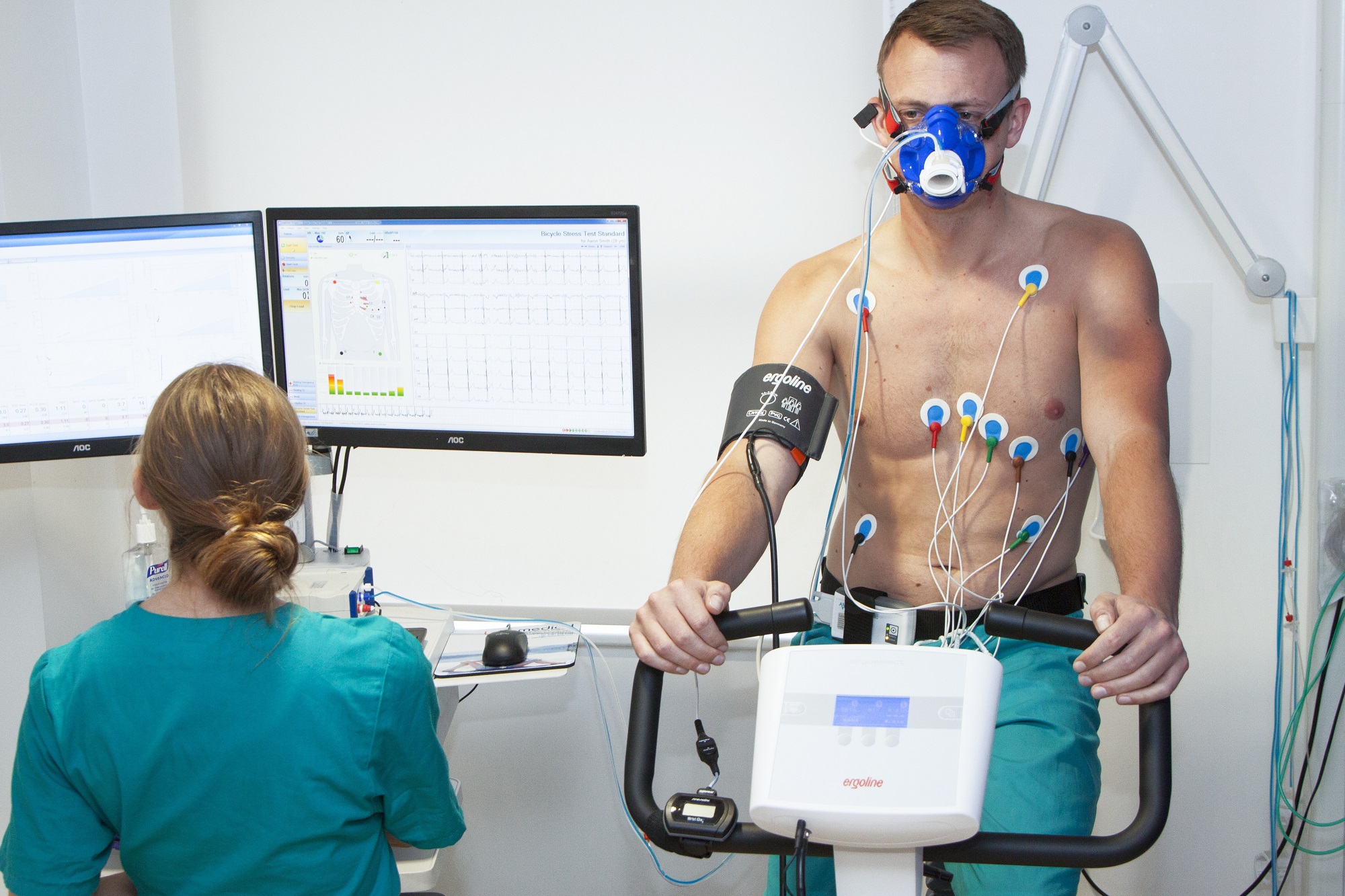
Advanced Pulmonary Function Test
Advanced Pulmonary Function Testing for Better Lung Health
Pulmonary Function Tests (PFTs) are a group of non-invasive tests used to assess how well the lungs are working. They measure different aspects of breathing, including how much air the lungs can hold, how quickly air can be inhaled or exhaled, and how efficiently the lungs transfer oxygen into the bloodstream.
Advanced pulmonary function testing can provide valuable information for diagnosing and monitoring asthma, COPD, interstitial lung diseases, pulmonary fibrosis and other respiratory conditions.
Dr. Aastha Gupta, Consultant Pulmonologist and Interventional Pulmonologist, provides comprehensive lung function evaluation using appropriate pulmonary diagnostic tests based on each patient's symptoms and clinical condition.
What Is a Pulmonary Function Test?
A pulmonary function test evaluates different aspects of lung performance. Depending on the patient's symptoms and suspected condition, a pulmonologist may recommend one or more specialized tests.
Common pulmonary function assessments include:
- Spirometry
- Lung volume measurement
- Diffusing capacity of the lungs for carbon monoxide (DLCO)
- Bronchodilator reversibility testing
- Peak expiratory flow assessment
- Exercise-related respiratory assessment
These tests can help doctors understand whether breathing difficulties are related to airway obstruction, restricted lung expansion or impaired gas transfer.
When Is Advanced PFT Recommended?
Pulmonary function testing may be recommended for patients experiencing:
- Persistent cough
- Shortness of breath
- Wheezing
- Chest tightness
- Reduced exercise tolerance
- Recurrent respiratory symptoms
- Unexplained changes in breathing
PFTs may also be used to monitor patients who have already been diagnosed with a respiratory disease or to assess lung function before certain procedures or treatments.
Conditions Evaluated With PFTs
Advanced pulmonary function testing can support the evaluation and monitoring of several respiratory conditions, including:
Asthma
PFTs can help identify airflow obstruction and assess changes in breathing after a bronchodilator.
COPD
Spirometry plays an important role in identifying persistent airflow obstruction and assessing lung function in patients with suspected or established COPD.
Interstitial Lung Disease
Lung volume and gas-transfer measurements can help assess the effect of conditions such as pulmonary fibrosis and other ILDs on lung function.
Other Respiratory Conditions
PFTs may also be useful in evaluating bronchiectasis, pulmonary hypertension, neuromuscular conditions affecting breathing and unexplained breathlessness.
What Does Advanced PFT Measure?
Spirometry
Spirometry measures the amount of air a person can exhale and how quickly they can exhale it. It is particularly useful for assessing airflow obstruction.
Lung Volumes
Lung volume testing measures the total amount of air the lungs can hold and can help identify restrictive breathing patterns.
DLCO
The diffusing capacity test (DLCO) assesses how effectively gases move from the lungs into the bloodstream. It can provide important information in conditions affecting the lung tissue or pulmonary circulation.
Bronchodilator Testing
In selected patients, lung function measurements may be repeated after a bronchodilator medicine to assess whether airflow improves.
How Is Pulmonary Function Testing Performed?
Most PFTs involve breathing through a mouthpiece connected to specialized equipment. The patient follows instructions to inhale and exhale in specific ways while measurements are recorded.
Good cooperation and correct breathing technique are important for obtaining reliable results. The duration of testing varies depending on the number and type of tests required.
Benefits of Advanced Pulmonary Function Testing
Advanced PFTs can help:
- Evaluate unexplained breathing problems
- Support diagnosis of respiratory diseases
- Assess severity and progression of lung conditions
- Monitor response to treatment
- Measure exercise-related limitations
- Provide objective information about lung function
Advanced PFT by Dr. Aastha Gupta
Dr. Aastha Gupta provides specialized pulmonary evaluation and advanced lung function testing for patients with respiratory symptoms and chronic lung diseases.
If you experience persistent cough, breathlessness, wheezing or reduced exercise capacity, an appropriate pulmonary function test can provide valuable information about how well your lungs are working and help guide further evaluation and treatment.