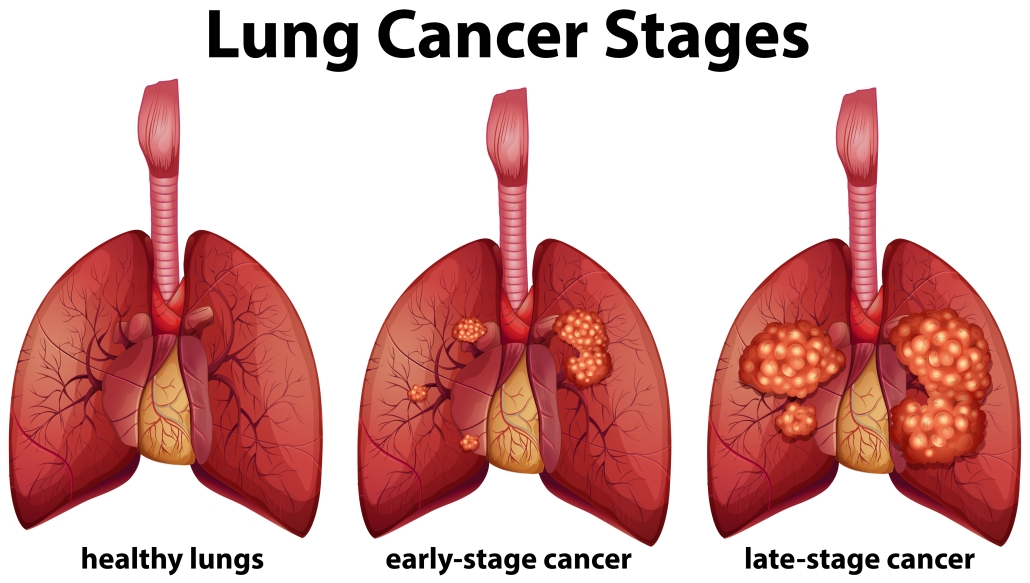
Lung Cancer
Comprehensive Lung Cancer Evaluation and Pulmonary Care
Lung cancer occurs when abnormal cells in the lungs grow uncontrollably and can invade surrounding tissues or spread to other parts of the body. It is one of the most common cancers worldwide. Smoking is the major risk factor, although lung cancer can also occur in people who have never smoked. Exposure to second-hand smoke, air pollution and certain occupational substances can also increase risk.
Dr. Aastha Gupta, Consultant Pulmonologist and Interventional Pulmonologist, provides comprehensive evaluation and pulmonary care for patients with suspected or diagnosed lung cancer.
Types of Lung Cancer
The two major types of lung cancer are:
- Non-Small Cell Lung Cancer (NSCLC) – The most common type, including adenocarcinoma, squamous cell carcinoma and large cell carcinoma.
- Small Cell Lung Cancer (SCLC) – A less common type that generally tends to grow and spread more rapidly.
Identifying the type and stage of lung cancer is important for determining an appropriate treatment approach.
Common Symptoms of Lung Cancer
Lung cancer may not cause noticeable symptoms during its early stages. When symptoms occur, they may include:
- Persistent or worsening cough
- Coughing up blood or blood-stained sputum
- Chest pain or discomfort
- Shortness of breath
- Wheezing
- Hoarseness
- Unexplained weight loss
- Persistent fatigue or weakness
- Recurrent respiratory infections
These symptoms can also occur with several non-cancerous respiratory conditions. However, persistent or unexplained symptoms should be evaluated by a doctor.
Lung Cancer Diagnosis
Accurate diagnosis is essential for determining the appropriate treatment plan. Evaluation may begin with a detailed medical history and physical examination, followed by appropriate investigations.
Depending on the patient's condition, diagnostic evaluation may include:
- Chest X-ray
- CT scan of the chest
- PET-CT or other imaging when required
- Bronchoscopy
- Biopsy and histopathological examination
- Molecular or biomarker testing
- Blood and other laboratory investigations
A biopsy is often required to confirm whether abnormal tissue contains cancer cells. Further tests help determine the cancer type, stage and characteristics that may influence treatment.
Lung Cancer Treatment
Treatment depends on factors such as the type and stage of cancer, molecular characteristics, overall health and individual clinical circumstances. Treatment may involve one or more approaches, including:
Surgery
Surgical removal of the tumour may be considered for selected patients, particularly when the cancer is localized and operable.
Radiation Therapy
Radiation therapy uses high-energy radiation to target cancer cells and may be used in different stages or treatment settings.
Chemotherapy
Chemotherapy uses medicines to destroy or control cancer cells and may be used alone or alongside other treatments.
Targeted Therapy and Immunotherapy
For eligible patients, molecular testing can identify specific changes or biomarkers that may help guide targeted therapy or immunotherapy.
Pulmonary and Supportive Care
Managing symptoms such as breathlessness, cough, chest discomfort and reduced exercise tolerance is an important part of comprehensive lung cancer care. Supportive and palliative care can also help improve comfort and quality of life during treatment and advanced disease.
Lung Cancer Care by Dr. Aastha Gupta
Dr. Aastha Gupta provides specialized pulmonary and respiratory care for patients with suspected or diagnosed lung cancer, including clinical evaluation, diagnostic guidance and management of respiratory symptoms.
If you have a persistent cough, unexplained weight loss, coughing up blood, recurrent chest infections or unexplained breathlessness, timely medical evaluation can help identify the underlying cause and guide further care.