Pneumonia
Comprehensive Pneumonia Care for Better Respiratory Health
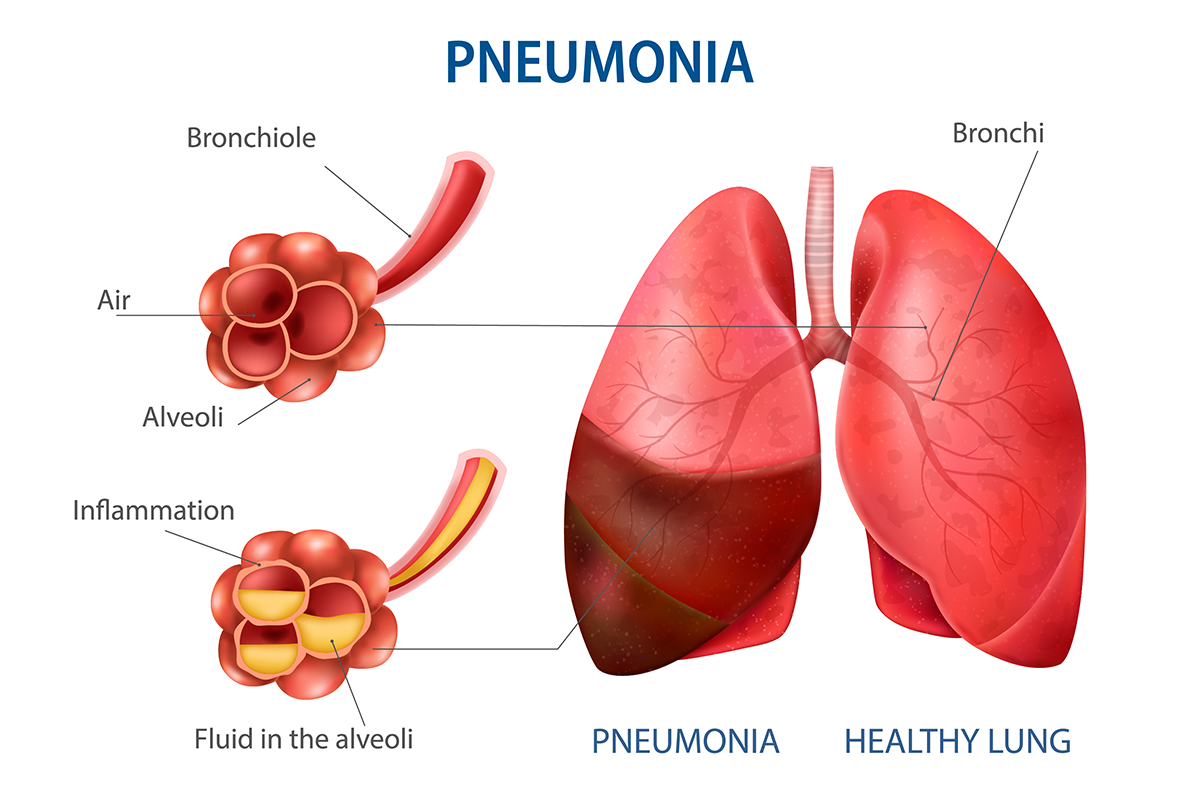
Pneumonia is an infection of the lungs that can cause inflammation and filling of the air sacs with fluid or pus, making breathing difficult. It can be caused by bacteria, viruses, fungi and, less commonly, other infectious organisms. Pneumonia can range from a mild illness to a serious condition requiring hospitalization and respiratory support.
Dr. Aastha Gupta, Consultant Pulmonologist and Interventional Pulmonologist, provides comprehensive evaluation and treatment for pneumonia and other respiratory conditions.
Causes of Pneumonia
Pneumonia can develop when infectious organisms reach the lungs. Common causes include:
- Bacterial infections
- Viral respiratory infections
- Fungal infections
- Pneumonia associated with healthcare settings
- Aspiration of food, liquids or stomach contents into the lungs
The specific cause may not always be identified, and treatment depends on the suspected or confirmed cause and the patient's clinical condition.
Common Symptoms of Pneumonia
Pneumonia symptoms can vary depending on the cause, age and severity of infection. Common symptoms include:
- Persistent cough
- Fever and chills
- Shortness of breath
- Chest pain, particularly while breathing or coughing
- Fatigue and weakness
- Sweating
- Increased mucus or phlegm
- Nausea or vomiting in some patients
- Confusion, particularly in older adults
Severe pneumonia may cause significant breathing difficulty and low oxygen levels and may require urgent medical care.
Who Is at Higher Risk?
Although pneumonia can affect anyone, certain people have a higher risk of developing severe disease. This includes older adults, young children and people with underlying medical conditions or weakened immune systems.
Conditions such as COPD, asthma, diabetes, heart disease and other chronic illnesses may also increase the risk of complications.
Diagnosis of Pneumonia
A pulmonologist evaluates symptoms, medical history and physical examination findings to determine whether pneumonia may be present. Depending on the patient's condition, diagnostic evaluation may include:
- Chest X-ray
- CT scan of the chest when required
- Blood tests
- Sputum testing
- Oxygen saturation assessment
- Other microbiological tests when clinically indicated
Identifying the underlying cause can help guide appropriate treatment.
Pneumonia Treatment
Treatment depends on the cause and severity of pneumonia. Bacterial pneumonia may require antibiotics, while viral pneumonia may require supportive treatment or specific antiviral therapy in selected situations. Antibiotics should not be taken without appropriate medical evaluation because they do not treat viral infections.
Treatment may include:
Medicines
Appropriate antibiotics, antivirals or other medicines may be prescribed depending on the identified or suspected cause.
Oxygen Therapy
Patients with low blood oxygen levels may require supplemental oxygen to support adequate oxygenation.
Hydration and Rest
Adequate fluids, nutrition and rest can support recovery when clinically appropriate.
Hospital and Critical Care
Patients with severe pneumonia may require hospitalization, close monitoring and advanced respiratory support. In serious cases, non-invasive or invasive ventilation may be required.
Pneumonia Prevention
Several measures can help reduce the risk of pneumonia, including recommended vaccinations, regular hand hygiene, avoiding tobacco smoke and reducing exposure to indoor air pollution. Vaccination can help protect against certain infections that can cause pneumonia.
Pneumonia Care by Dr. Aastha Gupta
Dr. Aastha Gupta provides specialized pulmonary and respiratory care for pneumonia, with a focus on timely diagnosis, appropriate treatment and monitoring of respiratory health.
If you experience persistent fever, cough, chest pain, worsening breathlessness or low oxygen levels, timely medical evaluation is important. Early assessment can help determine the cause and severity of pneumonia and guide appropriate treatment.