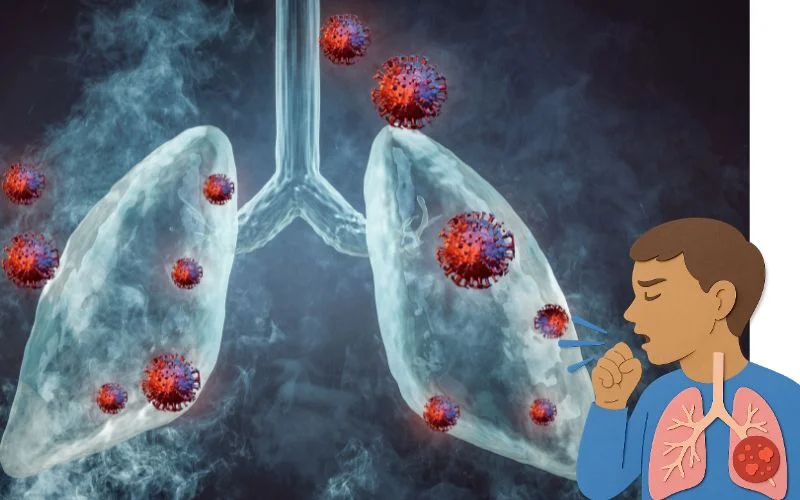
Interstitial Lung Diseases (ILDs)
Comprehensive Care for Interstitial Lung Diseases
Interstitial Lung Diseases (ILDs) are a group of more than one hundred lung conditions that can cause inflammation, thickening or scarring of the lung tissue. As the lung tissue becomes damaged, the lungs may become stiff and less able to transfer oxygen into the bloodstream, resulting in breathing difficulties.
Dr. Aastha Gupta, Consultant Pulmonologist and Interventional Pulmonologist, provides comprehensive evaluation and personalized pulmonary care for patients with ILDs and other complex respiratory conditions.
What Causes Interstitial Lung Disease?
ILDs can have many different causes. Some develop because of autoimmune or connective tissue diseases, while others are associated with environmental or occupational exposure. Certain medications, infections and genetic factors may also contribute. In some conditions, including Idiopathic Pulmonary Fibrosis (IPF), the exact cause remains unknown.
Potential risk factors include:
- Exposure to dust, mould, chemicals or other lung irritants
- Smoking
- Autoimmune and connective tissue diseases
- Certain medications
- Previous lung infections
- Family history of interstitial lung disease
- Occupational exposure to birds, agricultural products or industrial substances
Common Symptoms of ILD
Symptoms can develop gradually and may vary depending on the specific type of ILD and its severity. Common symptoms include:
- Progressive shortness of breath
- Persistent dry cough
- Fatigue and reduced exercise tolerance
- Chest discomfort
- Rapid or shallow breathing
- Unexplained weight loss in some patients
- Clubbing of the fingers or toes in certain cases
Progressive breathlessness, particularly during physical activity, is an important symptom that should be evaluated by a pulmonologist.
Diagnosis of Interstitial Lung Diseases
Accurate diagnosis is essential because different types of ILD may require different treatments. Evaluation generally includes a detailed medical and occupational history, physical examination and appropriate lung investigations.
Depending on the patient's condition, diagnostic tests may include:
- High-Resolution CT (HRCT) scan of the chest
- Chest X-ray
- Pulmonary function tests
- Blood and autoimmune tests
- Oxygen saturation assessment
- Bronchoscopy and bronchoalveolar lavage when indicated
- Lung biopsy in selected cases
HRCT can provide detailed information about lung inflammation and scarring, while pulmonary function tests help assess how well the lungs are working and monitor changes over time.
Treatment and Management of ILDs
Treatment depends on the type of ILD, underlying cause, severity and rate of disease progression. The primary goals are to control inflammation, slow further lung damage, manage symptoms and maintain quality of life.
Treatment may include:
Medicines
Depending on the specific ILD, doctors may use corticosteroids, immunosuppressive medicines or antifibrotic medications such as nintedanib or pirfenidone for appropriate fibrotic lung diseases.
Oxygen Therapy
Patients with low blood oxygen levels may benefit from supplemental oxygen to support adequate oxygenation and daily activities.
Pulmonary Rehabilitation
A supervised pulmonary rehabilitation program may include exercise training, breathing techniques and education to help improve physical capacity and quality of life.
Avoiding Lung Irritants
When an environmental or occupational exposure contributes to ILD, identifying and avoiding the trigger is an important part of management.
Advanced Care
Patients with severe or progressive ILD may require advanced respiratory support or evaluation for lung transplantation in appropriate circumstances.
ILD Care by Dr. Aastha Gupta
Dr. Aastha Gupta provides specialized Interstitial Lung Disease treatment and pulmonary care, focusing on detailed evaluation, accurate diagnosis, monitoring of lung function and individualized treatment planning.
If you experience persistent dry cough, progressive breathlessness, unexplained fatigue or reduced exercise tolerance, timely consultation with a pulmonologist can help identify the underlying cause and determine an appropriate management plan.