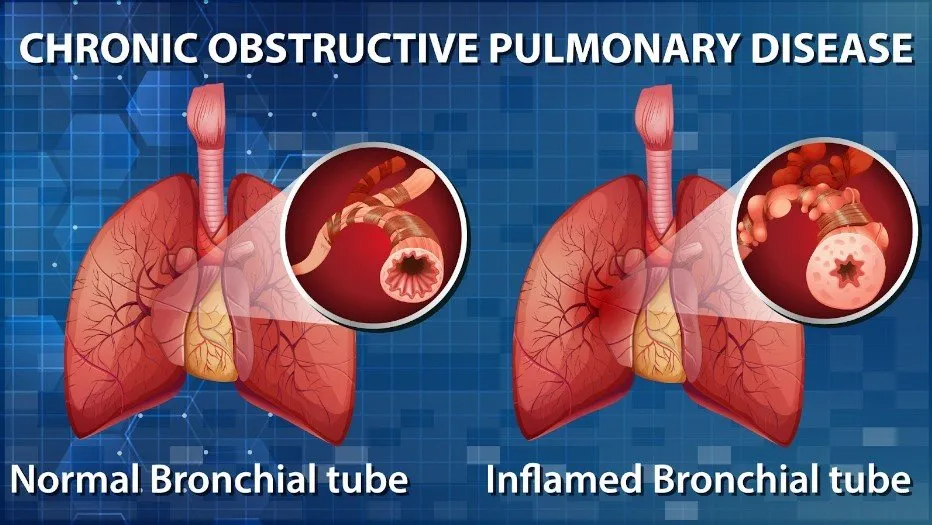
COPD – Chronic Obstructive Pulmonary Disease
Comprehensive COPD Care for Better Breathing
Chronic Obstructive Pulmonary Disease (COPD) is a long-term respiratory condition that affects airflow through the lungs, making breathing difficult. COPD commonly includes chronic bronchitis and emphysema and can gradually interfere with daily activities and quality of life.
Early diagnosis, appropriate treatment and regular monitoring can help control symptoms, reduce flare-ups and support better lung function and overall well-being.
Dr. Aastha Gupta, Consultant Pulmonologist and Interventional Pulmonologist, provides comprehensive evaluation and personalized treatment for patients with COPD and other chronic respiratory conditions.
What Causes COPD?
Long-term exposure to substances that irritate and damage the lungs is a major risk factor for COPD. Smoking is one of the most common causes. However, COPD can also be associated with:
- Second-hand tobacco smoke
- Indoor air pollution and biomass fuel exposure
- Outdoor air pollution
- Dust and chemical fumes at the workplace
- Long-term exposure to respiratory irritants
- Certain genetic conditions
Reducing exposure to these risk factors is an important part of COPD management.
Common Symptoms of COPD
COPD symptoms can develop gradually and may become more noticeable over time. Common symptoms include:
- Persistent or chronic cough
- Shortness of breath, particularly during physical activity
- Wheezing
- Increased mucus or phlegm production
- Chest tightness
- Fatigue and reduced exercise tolerance
- Frequent respiratory infections
Some patients may experience periods when symptoms suddenly become worse. These episodes are known as COPD exacerbations or flare-ups and may require prompt medical evaluation.
COPD Diagnosis
A detailed medical history and respiratory examination are important when evaluating suspected COPD. Spirometry, a pulmonary function test that measures how much air a person can breathe in and out and how quickly they can exhale, is commonly used to assess airflow obstruction.
Depending on the patient's symptoms and medical history, a pulmonologist may recommend additional investigations such as chest imaging, oxygen assessment or blood tests to understand the severity of the condition and identify other contributing factors.
COPD Treatment and Management
Although COPD is a chronic condition, appropriate management can help control symptoms and improve daily functioning. Treatment is individualized according to the patient's symptoms, disease severity and overall health.
COPD management may include:
Inhaler-Based Treatment
Bronchodilator medications can help relax the muscles around the airways and improve airflow. Additional inhaled medicines may be prescribed when clinically appropriate.
Smoking Cessation
Stopping smoking is one of the most important steps for people with COPD who smoke. Avoiding tobacco smoke and other respiratory irritants can help protect lung health.
Pulmonary Rehabilitation
Selected patients may benefit from pulmonary rehabilitation, which can include exercise training, breathing techniques, education and lifestyle guidance.
Oxygen and Respiratory Support
Patients with significant oxygen deficiency may require supplemental oxygen. Those with severe respiratory problems may need additional respiratory support based on their clinical condition.
Regular Monitoring
Ongoing follow-up helps assess symptoms, treatment response and exacerbation risk while allowing treatment to be adjusted when necessary.
COPD Care by Dr. Aastha Gupta
Dr. Aastha Gupta provides specialized COPD treatment and pulmonary care, focusing on accurate diagnosis, individualized treatment and long-term respiratory health.
If you experience persistent cough, breathlessness, wheezing, excessive mucus production or recurrent chest infections, consulting a pulmonologist can help identify the underlying cause and determine an appropriate management plan.