Sarcoidosis
Comprehensive Care for Sarcoidosis and Lung Health
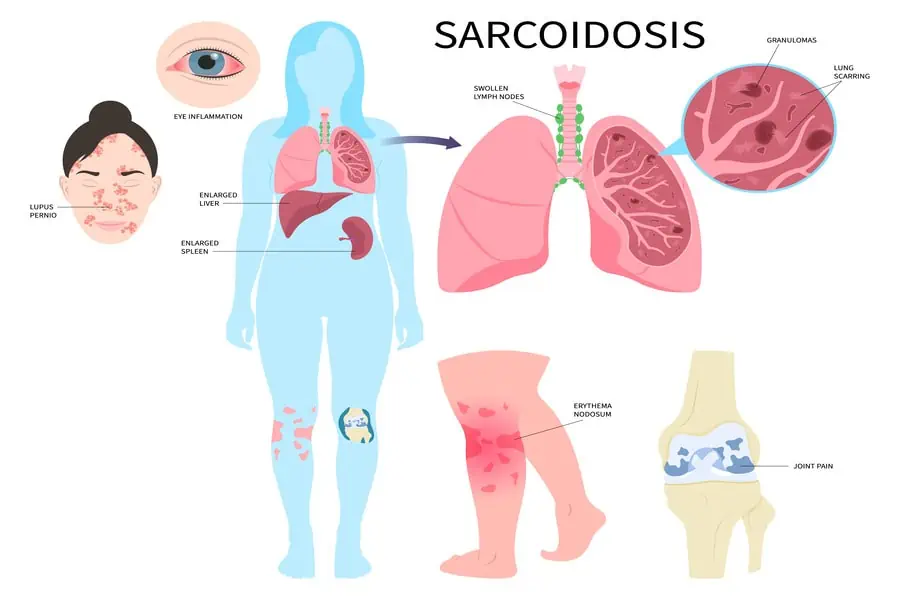
Sarcoidosis is an inflammatory condition in which groups of immune cells form small clusters called granulomas in different organs of the body. It most commonly affects the lungs and lymph nodes in the chest, but it can also involve the skin, eyes, heart, liver and other organs. The condition can vary significantly from one person to another and may sometimes improve without treatment.
Dr. Aastha Gupta, Consultant Pulmonologist and Interventional Pulmonologist, provides comprehensive evaluation and pulmonary care for patients with sarcoidosis and other complex respiratory conditions.
What Causes Sarcoidosis?
The exact cause of sarcoidosis is not fully understood. Research suggests that the condition may develop because of an abnormal immune response to certain environmental or infectious triggers in people who are susceptible to it. Sarcoidosis is not considered a contagious disease.
Common Symptoms of Sarcoidosis
Symptoms depend on which organs are affected. Some people may have no noticeable symptoms, while others can develop persistent respiratory or systemic symptoms.
Common symptoms of pulmonary sarcoidosis include:
- Persistent cough
- Shortness of breath
- Wheezing
- Chest discomfort or pain
- Fatigue
- Fever or night sweats
- Unexplained weight loss
- Swollen lymph nodes
Sarcoidosis may also cause skin changes, joint symptoms or eye problems. Involvement of other organs can produce additional symptoms, making a detailed medical evaluation important.
Pulmonary Sarcoidosis
When sarcoidosis affects the lungs, inflammation and granulomas can interfere with normal lung function. In some patients, persistent inflammation may eventually result in lung scarring or fibrosis.
Regular monitoring can help doctors assess whether the disease is stable or progressing and whether lung function is being affected.
Diagnosis of Sarcoidosis
There is no single test that can confirm sarcoidosis in every patient. Diagnosis generally involves evaluating symptoms, medical history, examination findings and investigations while ruling out other conditions that can produce similar findings.
Depending on the individual case, diagnostic evaluation may include:
- Chest X-ray
- High-resolution CT scan of the chest
- Pulmonary function tests
- Blood tests
- Bronchoscopy
- Tissue biopsy when required
- Eye or cardiac evaluation when indicated
Bronchoscopy can allow a pulmonologist to examine the airways and obtain tissue or other samples for laboratory analysis.
Sarcoidosis Treatment
Not every person with sarcoidosis requires immediate medication. Treatment decisions depend on symptoms, the organs involved, disease activity and the risk of organ damage. Some patients may be monitored regularly when the disease is stable or not causing significant problems.
When treatment is required, it may include:
Corticosteroids
Corticosteroids are commonly used to reduce inflammation in patients who require treatment.
Immunosuppressive Medicines
Additional medicines that modify or suppress the immune response may be considered for selected patients who require longer-term disease control or cannot tolerate corticosteroids.
Supportive Respiratory Care
Patients with significant lung involvement may benefit from oxygen therapy, pulmonary rehabilitation and other supportive measures when clinically appropriate.
Sarcoidosis Care by Dr. Aastha Gupta
Dr. Aastha Gupta provides specialized pulmonary evaluation and management for sarcoidosis, with an emphasis on accurate diagnosis, assessment of lung involvement and individualized treatment.
If you experience persistent cough, unexplained breathlessness, chest discomfort, prolonged fatigue or other unexplained respiratory symptoms, timely consultation with a pulmonologist can help identify the underlying cause and guide appropriate care.