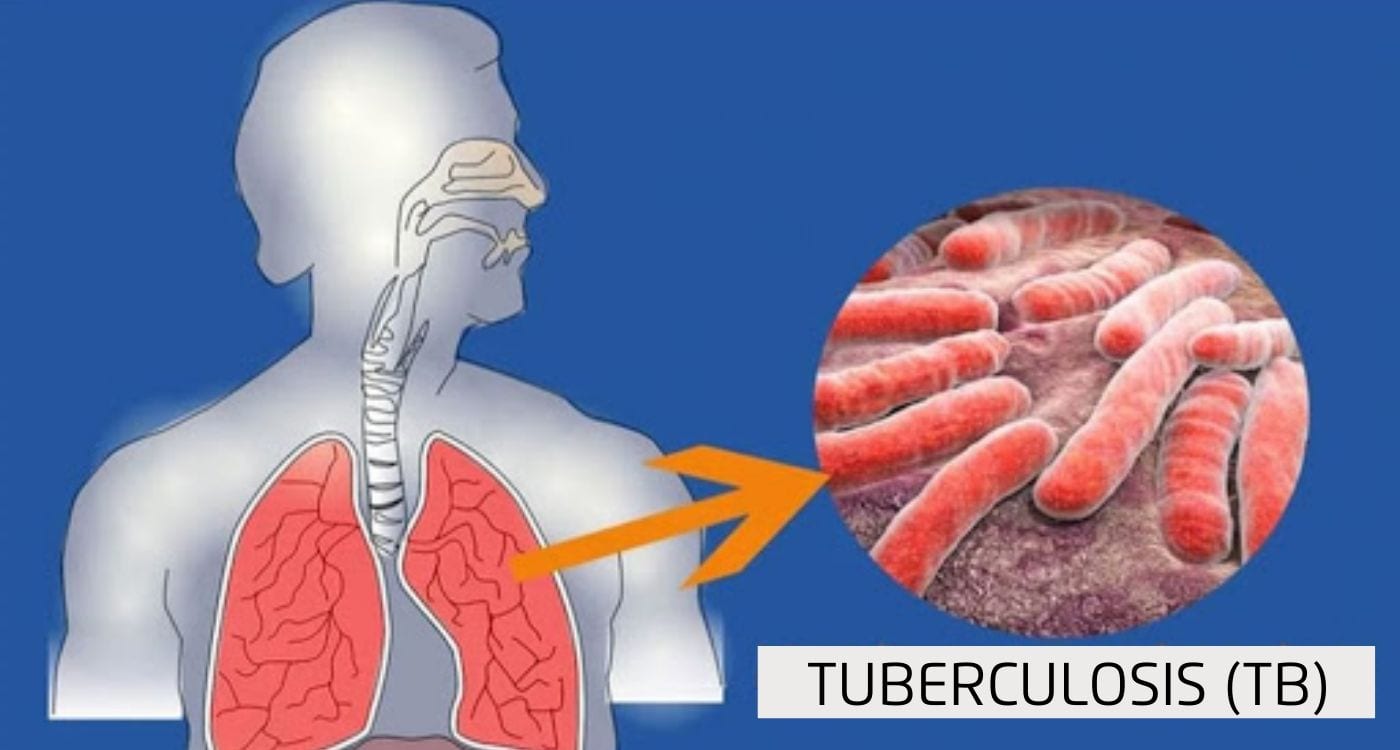
Tuberculosis (TB)
Comprehensive Tuberculosis Care for Better Respiratory Health
Tuberculosis (TB) is an infectious disease caused by Mycobacterium tuberculosis, a bacterium that most commonly affects the lungs. Pulmonary tuberculosis can cause persistent respiratory symptoms and may spread to other parts of the body if left untreated. Early diagnosis and completion of the recommended treatment are important for recovery and reducing transmission.
Dr. Aastha Gupta, Consultant Pulmonologist and Interventional Pulmonologist, provides evaluation and respiratory care for patients with suspected or diagnosed tuberculosis.
What Causes Tuberculosis?
Tuberculosis is caused by Mycobacterium tuberculosis. Pulmonary TB can spread through the air when a person with infectious TB of the lungs or throat coughs, sneezes, speaks or sings.
Not everyone infected with TB bacteria develops active tuberculosis. Some people have latent TB infection, where the bacteria remain in the body without causing symptoms or spreading to others. In some individuals, the infection can later become active.
Common Symptoms of Tuberculosis
Symptoms of pulmonary tuberculosis can develop gradually. Common signs may include:
- Persistent cough, particularly when it lasts for several weeks
- Cough with sputum or blood
- Fever
- Night sweats
- Unexplained weight loss
- Loss of appetite
- Fatigue and weakness
- Chest pain
- Breathlessness in advanced or extensive disease
A persistent cough accompanied by fever, weight loss or night sweats should be medically evaluated, particularly in individuals with TB exposure or other risk factors.
Tuberculosis Diagnosis
Early and accurate diagnosis is important for starting appropriate treatment. A pulmonologist may assess the patient's symptoms, medical history, exposure risk and physical findings.
Depending on the clinical situation, investigations may include:
- Sputum examination
- Molecular tests for TB
- Chest X-ray or other chest imaging
- Blood tests when clinically indicated
- Testing for drug resistance when required
The choice of tests depends on whether pulmonary or extrapulmonary TB is suspected and the individual patient's clinical condition.
Tuberculosis Treatment
Tuberculosis is treatable, but treatment requires appropriate anti-tuberculosis medicines taken for the prescribed duration. The exact combination and duration depend on factors such as the type of TB, drug susceptibility results, previous treatment history and other medical conditions.
Patients should take their medicines exactly as prescribed and should not stop treatment early simply because symptoms have improved. Incomplete or inappropriate treatment can contribute to drug-resistant tuberculosis.
Regular medical follow-up helps monitor treatment response, medication tolerance and overall recovery.
Preventing the Spread of Tuberculosis
For people with infectious pulmonary TB, following medical advice about infection-control measures is important. These may include appropriate respiratory hygiene, good ventilation, wearing a mask when advised and limiting close contact with others during the infectious period.
People who have been exposed to TB may also need medical evaluation and testing depending on the circumstances.
Tuberculosis Care by Dr. Aastha Gupta
Dr. Aastha Gupta provides specialized pulmonary care for tuberculosis and other respiratory conditions, with an emphasis on timely diagnosis, appropriate treatment and regular follow-up.
If you have a persistent cough, unexplained weight loss, prolonged fever, night sweats or other symptoms suggestive of tuberculosis, consult a pulmonologist for appropriate evaluation rather than self-medicating.
Protect Your Lung Health
Timely diagnosis and completing the prescribed TB treatment can help support recovery and reduce the risk of transmission and complications. Professional medical evaluation is essential whenever tuberculosis is suspected.