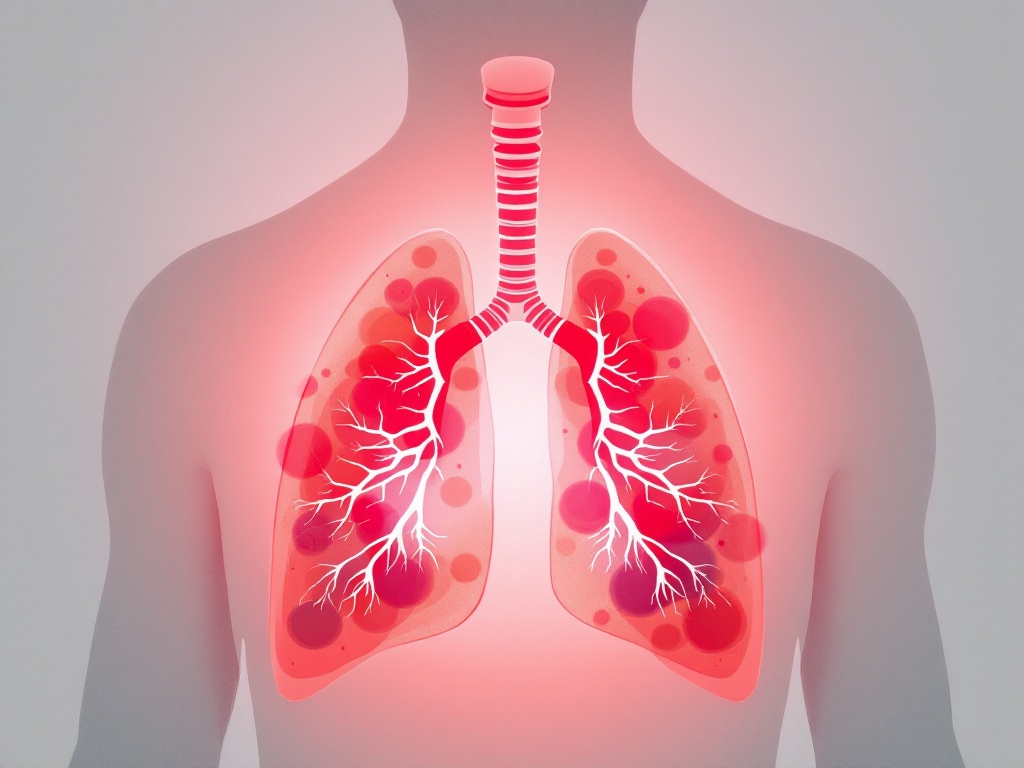
Eosinophilia
Comprehensive Care for Eosinophilia and Respiratory Health
Eosinophilia is a condition in which the number of eosinophils, a type of white blood cell involved in immune and allergic responses, is higher than normal. A peripheral blood eosinophil count above 500 cells/µL is generally considered elevated. Eosinophilia may be associated with allergies, asthma, certain infections, medication reactions and other inflammatory or blood-related conditions.
Dr. Aastha Gupta, Consultant Pulmonologist and Interventional Pulmonologist, provides evaluation and pulmonary care for patients with eosinophilia, particularly when it is associated with asthma or other eosinophilic respiratory conditions.
What Causes Eosinophilia?
Eosinophilia can occur for many different reasons. Identifying the underlying cause is an important part of diagnosis and treatment.
Common causes include:
- Allergic conditions and asthma
- Medication or drug reactions
- Parasitic infections
- Certain inflammatory or autoimmune disorders
- Eosinophilic lung diseases
- Some blood disorders and cancers
- Certain immune system disorders
The severity of eosinophilia can vary. Persistent higher eosinophil counts may sometimes be associated with inflammation and damage to organs, making appropriate medical evaluation important.
Eosinophilia and Lung Diseases
Eosinophilia can be associated with several respiratory conditions. Patients may develop cough, wheezing, breathlessness or abnormal findings on chest imaging depending on the underlying cause.
Eosinophilic pulmonary diseases include conditions such as acute eosinophilic pneumonia, chronic eosinophilic pneumonia and allergic bronchopulmonary aspergillosis (ABPA). Parasitic infections, medications and certain systemic inflammatory diseases can also cause lung inflammation associated with eosinophilia.
Symptoms of Eosinophilia
Eosinophilia itself may not always cause symptoms, particularly when the elevation is mild. Symptoms usually depend on the underlying condition or organs affected.
Possible symptoms include:
- Persistent cough
- Wheezing
- Shortness of breath
- Chest discomfort
- Fever
- Skin rash or itching
- Fatigue
- Unexplained weight loss
- Recurrent respiratory symptoms
Patients with significant or persistent eosinophilia require evaluation to determine whether an underlying condition is responsible.
Diagnosis of Eosinophilia
Diagnosis generally begins with a Complete Blood Count (CBC) with an absolute eosinophil count. The doctor then evaluates the patient's symptoms, medical history, medications, allergies, travel history and possible exposure to infections or environmental triggers.
Depending on the clinical situation, investigations may include:
- Repeat CBC and peripheral blood examination
- Stool testing for parasites
- Chest X-ray or CT scan
- Pulmonary function tests
- Allergy-related investigations
- Autoimmune or infectious disease testing
- Bronchoscopy in selected respiratory conditions
- Additional blood or genetic testing when a blood disorder is suspected
The specific tests depend on the severity of eosinophilia and the suspected underlying cause.
Eosinophilia Treatment
Treatment is directed primarily at the underlying cause rather than simply lowering the eosinophil count.
Depending on the diagnosis, management may include:
Treating Allergies and Asthma
Appropriate inhaled medicines and other treatments may be used when eosinophilia is associated with asthma or allergic respiratory disease.
Treating Infections
When a parasitic infection is identified or strongly suspected, appropriate anti-parasitic treatment may be prescribed.
Managing Medication Reactions
If a medication is responsible, the suspected medicine may need to be stopped or changed under medical supervision.
Corticosteroids and Other Therapies
Corticosteroids or specialized treatments may be required for certain eosinophilic inflammatory or systemic disorders. Treatment should be based on a confirmed or strongly suspected diagnosis.
Eosinophilia Care by Dr. Aastha Gupta
Dr. Aastha Gupta provides specialized pulmonary evaluation and treatment for eosinophilia-related respiratory conditions, with a focus on identifying the underlying cause and developing an individualized management plan.
If you have an unexplained elevated eosinophil count along with persistent cough, wheezing, breathlessness, recurrent respiratory symptoms or abnormal chest imaging, consultation with a pulmonologist can help determine the cause and appropriate treatment.