Bronchiectasis
Comprehensive Bronchiectasis Care for Better Lung Health
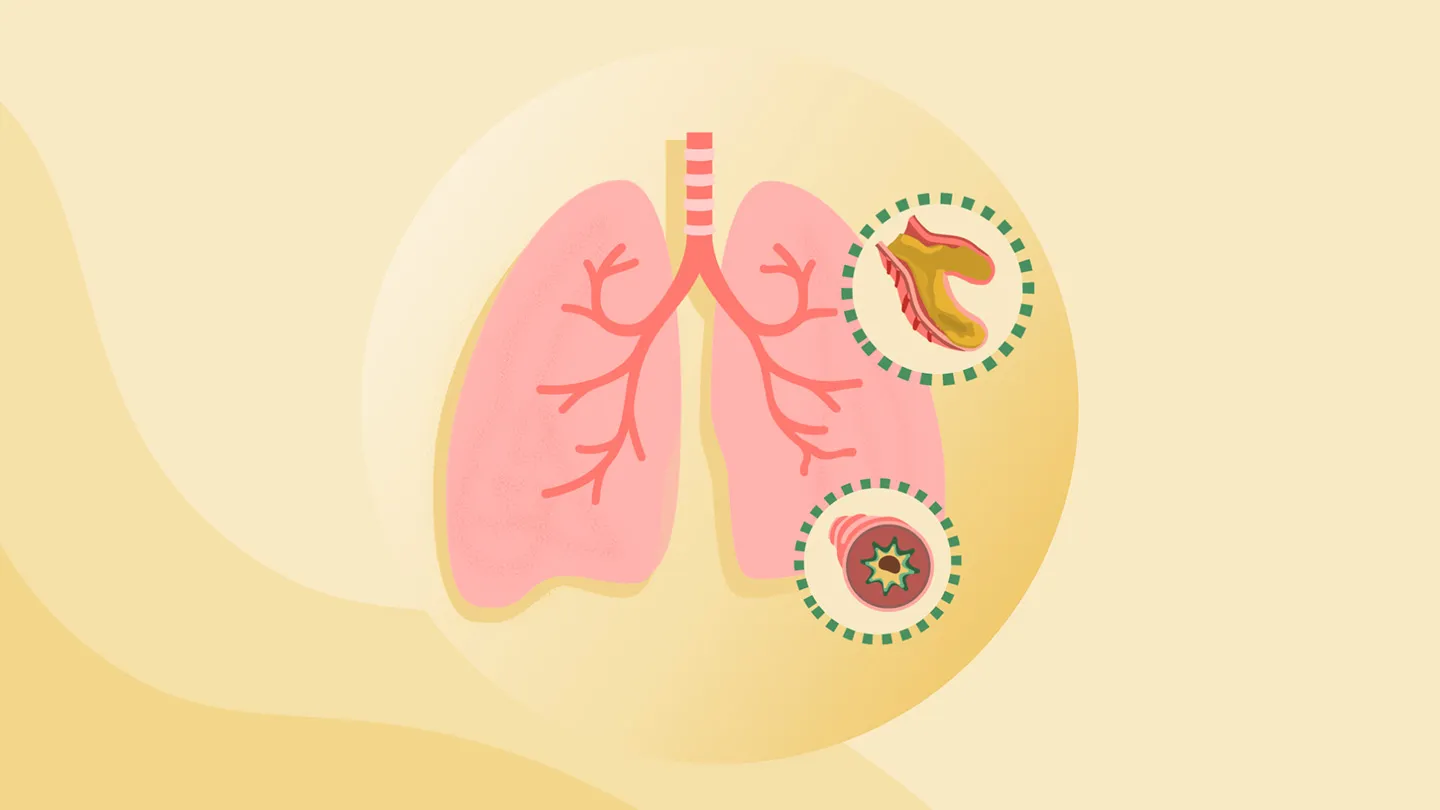
Bronchiectasis is a chronic lung condition in which the airways become permanently widened, damaged and less effective at clearing mucus. This can lead to mucus buildup, repeated respiratory infections and ongoing inflammation. Bronchiectasis can affect one or several areas of the lungs and may develop because of previous infections, immune disorders or other underlying lung conditions.
Dr. Aastha Gupta, Consultant Pulmonologist and Interventional Pulmonologist, provides comprehensive evaluation and personalized pulmonary care for patients with bronchiectasis and other chronic respiratory conditions.
Causes of Bronchiectasis
Bronchiectasis can develop when an infection or another condition damages the airway walls or interferes with normal mucus clearance. Possible contributing conditions include:
- Previous severe or recurrent lung infections
- Tuberculosis and other respiratory infections
- Asthma and COPD
- Immune system disorders
- Allergic bronchopulmonary aspergillosis
- Cystic fibrosis and other genetic conditions
- Primary ciliary dyskinesia
- Autoimmune and inflammatory diseases
In some patients, the underlying cause may remain unidentified despite appropriate evaluation.
Symptoms of Bronchiectasis
Symptoms can vary depending on the extent of airway damage and the presence of infections. Common symptoms include:
- Persistent or daily cough
- Production of large amounts of mucus or sputum
- Shortness of breath
- Wheezing
- Recurrent chest infections
- Chest discomfort
- Fatigue and weakness
- Fever or chills during infections
- Coughing up blood or blood-stained mucus in some patients
Symptoms may become worse during bronchiectasis exacerbations, when infection or airway inflammation causes a noticeable increase in cough, sputum or breathing difficulties.
Diagnosis of Bronchiectasis
Accurate diagnosis helps determine the severity of airway damage and identify possible underlying causes. A pulmonologist may assess symptoms, medical history, previous infections and respiratory examination findings.
A high-resolution CT (HRCT) scan of the chest is an important investigation for diagnosing bronchiectasis because it provides detailed images of the airways. Other tests may include:
- Sputum culture
- Pulmonary function tests
- Blood tests
- Immunological testing
- Testing for specific underlying conditions
- Bronchoscopy in selected patients
Evaluating the underlying cause is an important part of comprehensive bronchiectasis management.
Bronchiectasis Treatment and Management
There is currently no treatment that reverses established bronchial damage, but appropriate management can help control symptoms, reduce respiratory infections and protect lung health.
Airway Clearance
Airway clearance techniques help remove mucus from the lungs and are an important part of bronchiectasis management. Respiratory physiotherapy can help patients learn techniques suited to their individual needs.
Treatment of Infections
Antibiotics may be prescribed during bacterial exacerbations based on clinical assessment and, when available, sputum culture results. Patients with recurrent exacerbations may require a more individualized long-term treatment strategy.
Pulmonary Rehabilitation
Patients with reduced exercise capacity may benefit from pulmonary rehabilitation, including exercise training and breathing-related support.
Other Respiratory Treatments
Depending on the individual patient, treatment may include mucus-thinning medicines, bronchodilators, inhaled antibiotics or oxygen therapy. These treatments are selected according to the underlying cause, symptoms and risk of exacerbations.
Bronchiectasis Care by Dr. Aastha Gupta
Dr. Aastha Gupta provides specialized bronchiectasis and pulmonary care, focusing on accurate diagnosis, identification of underlying causes, airway clearance, infection management and personalized long-term treatment.
If you have a persistent productive cough, recurrent chest infections, unexplained breathlessness or repeated episodes of coughing up blood, consultation with a pulmonologist can help determine the underlying cause and appropriate treatment plan.