Pleural Diseases
Comprehensive Care for Pleural and Lung Conditions
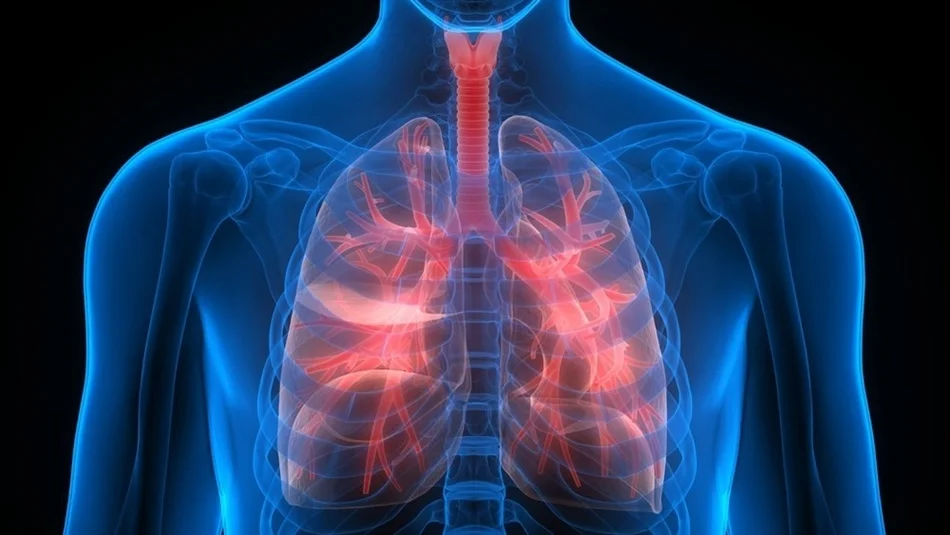
Pleural diseases are conditions that affect the pleura, the thin layers of tissue surrounding the lungs and lining the inside of the chest cavity. Problems involving the pleura can cause chest pain, cough, breathlessness and other respiratory symptoms. Common pleural conditions include pleural effusion, pleurisy and pneumothorax.
Dr. Aastha Gupta, Consultant Pulmonologist and Interventional Pulmonologist, provides comprehensive evaluation and management of pleural diseases and related respiratory conditions.
Common Pleural Diseases
Pleural Effusion
A pleural effusion occurs when excess fluid accumulates in the space between the layers of the pleura. It can be associated with conditions such as pneumonia, tuberculosis, cancer, heart failure, liver disease, kidney disease or chest injury.
Pneumothorax
A pneumothorax occurs when air enters the pleural space and can cause part or all of the lung to collapse. It may occur spontaneously, because of an underlying lung condition or following chest trauma or certain medical procedures.
Pleurisy
Pleurisy (pleuritis) refers to inflammation of the pleura. It can cause sharp chest pain that may become worse with deep breathing, coughing or sneezing. Infection, inflammation and other underlying conditions can contribute to pleurisy.
Symptoms of Pleural Diseases
Symptoms depend on the specific pleural condition and its severity. Common symptoms may include:
- Sharp or stabbing chest pain
- Shortness of breath
- Persistent cough
- Pain that worsens with deep breathing or coughing
- Fever or chills in cases associated with infection
- Fatigue and weakness
- Rapid breathing or heart rate
- Reduced oxygen levels in more severe cases
Some pleural disorders may cause few or no symptoms, particularly when the abnormality is small.
Causes and Risk Factors
Pleural diseases can develop due to infection, inflammation, chest injuries, cancer or underlying heart, kidney or liver conditions. Pneumonia and tuberculosis can also be associated with pleural complications. Certain medical procedures and underlying lung diseases may increase the risk of some pleural conditions.
Diagnosis of Pleural Diseases
Accurate diagnosis is important to determine the underlying cause and appropriate treatment. Evaluation may include a medical history, physical examination and oxygen assessment.
Depending on the suspected condition, investigations may include:
- Chest X-ray
- Chest ultrasound
- CT scan
- Blood tests
- Thoracentesis and pleural fluid analysis
- Pleural biopsy when required
- Other specialized investigations
Thoracentesis can help remove pleural fluid for laboratory analysis and may provide important information about infections, cancer and other causes of fluid accumulation.
Treatment for Pleural Diseases
Treatment depends on the type, cause and severity of the pleural condition.
Management may include medicines to treat infection or inflammation, treatment of the underlying disease, oxygen therapy and procedures to remove excess air or fluid.
For symptomatic pleural effusion, thoracentesis or chest drainage may be recommended. Recurrent pleural effusions may require additional procedures such as an indwelling pleural catheter or pleurodesis in selected patients. Pneumothorax may require observation, oxygen, needle aspiration or chest tube drainage depending on its severity and cause.
Pleural Disease Care by Dr. Aastha Gupta
Dr. Aastha Gupta provides specialized pulmonary and pleural disease care, focusing on accurate diagnosis, minimally invasive evaluation where appropriate and individualized treatment.
If you experience unexplained chest pain, persistent cough, breathlessness or symptoms following a chest infection, timely consultation with a pulmonologist can help identify the underlying pleural condition and guide appropriate treatment.