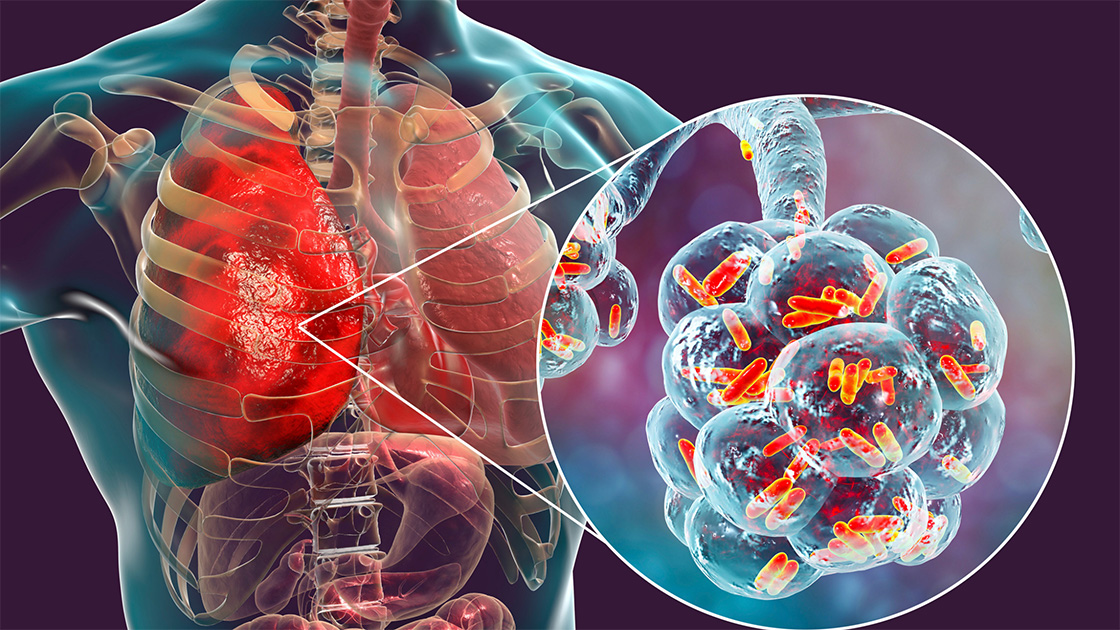
Lung Infection
A lung infection occurs when harmful microorganisms such as bacteria, viruses, fungi, or, less commonly, other organisms affect the lungs and respiratory system. Lung infections can range from mild illnesses to serious conditions that require medical treatment and close monitoring. Early evaluation can help identify the underlying cause and guide appropriate treatment.
What Is a Lung Infection?
A lung infection can affect different parts of the respiratory system, including the airways, lung tissue, or air sacs. Pneumonia, bronchitis, tuberculosis, and certain fungal infections are examples of respiratory infections that can involve the lungs.
The symptoms and severity depend on the type of infection, the affected area, and the individual's overall health. People with weakened immunity or existing respiratory conditions may require more careful evaluation.
Common Causes of Lung Infection
Lung infections may be caused by different types of microorganisms:
- Bacteria – Can cause bacterial pneumonia and other respiratory infections.
- Viruses – Influenza and other respiratory viruses can affect the lungs.
- Fungi – Certain fungal infections can cause lung inflammation, particularly in people with specific risk factors.
- Mycobacteria – Tuberculosis is an important cause of lung infection in many regions.
Identifying the cause is important because treatment varies depending on the infection.
Symptoms of Lung Infection
Symptoms can develop suddenly or gradually and may include:
- Persistent cough
- Fever or chills
- Phlegm or mucus production
- Chest discomfort or pain
- Shortness of breath
- Wheezing
- Fatigue and weakness
- Reduced appetite
Severe breathing difficulty, bluish lips or face, confusion, or persistent high fever requires prompt medical attention.
Diagnosis of Lung Infection
A pulmonologist may assess symptoms, medical history, and physical findings before recommending appropriate investigations. Depending on the suspected cause, evaluation may include:
- Chest X-ray or CT scan
- Blood tests
- Sputum examination
- Oxygen saturation measurement
- Pulmonary function assessment in selected cases
- Microbiological testing when required
- Bronchoscopy in selected complex or unexplained cases
These investigations can help determine the type and extent of infection and identify complications.
Treatment for Lung Infection
Treatment depends on the underlying cause. Bacterial infections may require antibiotics, while viral, fungal, or mycobacterial infections require different approaches. Supportive treatment may include adequate fluids, rest, fever management, oxygen therapy when necessary, and treatment of associated respiratory symptoms.
Patients with severe infection may require hospitalization and specialized respiratory or critical care.
Preventing Lung Infections
Some lung infections can be reduced through good respiratory hygiene, appropriate vaccinations, avoiding smoking and tobacco exposure, managing chronic lung diseases, and seeking medical attention when persistent respiratory symptoms develop.
Lung Infection Care by Dr. Aastha Gupta
Dr. Aastha Gupta, Consultant Pulmonologist & Interventional Pulmonologist, provides specialized evaluation and treatment for respiratory infections and complex lung conditions. A detailed assessment can help identify the underlying cause of persistent cough, fever, breathing difficulty, or recurrent chest infections and determine an appropriate treatment plan.